Food production and the limits of sustainability
DOI:
https://doi.org/10.5304/jafscd.2026.153.024
Keywords:
food system, sustainability, food production, environmental impact, global food system, land use, climate change, alternative fuelsAbstract
First paragraph:
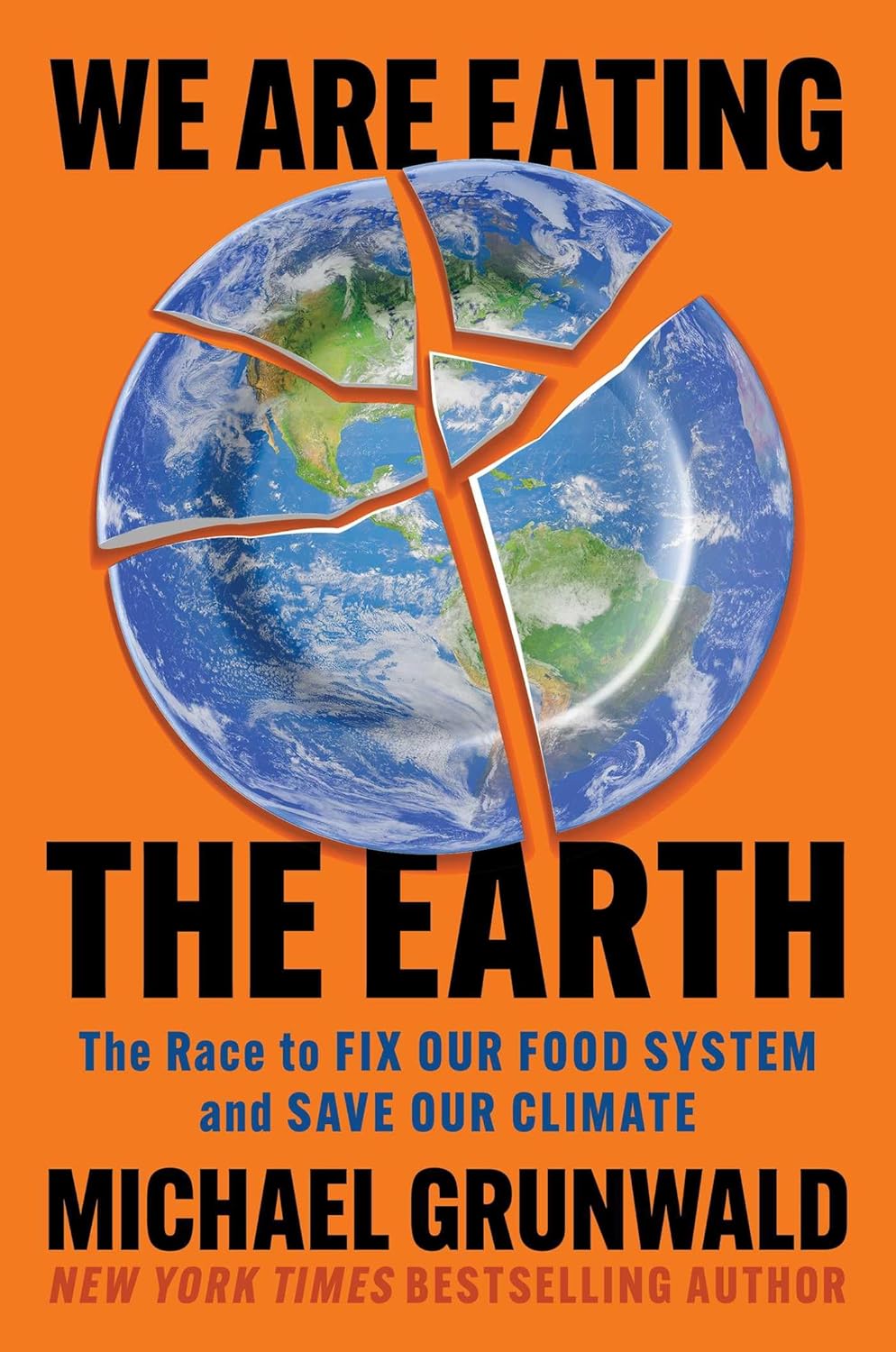
Michael Grunwald’s book We Are Eating the Earth: The Race to Fix Our Food System and Save Our Climate delves into the ugly world of food production and its detrimental impact on the environment. The book explores the different technologies that have been invented to address the problems caused by the need to produce more food. Grunwald follows the life and the research of a former environmental lawyer, Tim Searchinger. It is through the extensive work of Searchinger that Grunwald was compelled to pen this book. Some of the key themes that stem from this reading are the ethicality of science in pushing certain ideas as being environmentally friendly, as well as the clash between experts and environmental advocates and land usage and food production challenges. The reading makes one aware that land use challenges may be far-reaching, in the sense that demand in one area may create land exploitation in a place far from where the demand is. . . .
Metrics
Downloads
Published
How to Cite
Issue
Section
Categories
License
Copyright (c) 2026 Obed Boitshepo Masege

This work is licensed under a Creative Commons Attribution 4.0 International License.
The copyright to all content published in JAFSCD belongs to the author(s). It is licensed as CC BY 4.0. This license determines how you may reprint, copy, distribute, or otherwise share JAFSCD content.