Agricultural knowledge, place, and production in The Almond Paradox
DOI:
https://doi.org/10.5304/jafscd.2026.154.039
Keywords:
agricultural knowledge, agricultural production systems, environmental sustainabilityAbstract
First paragraphs:
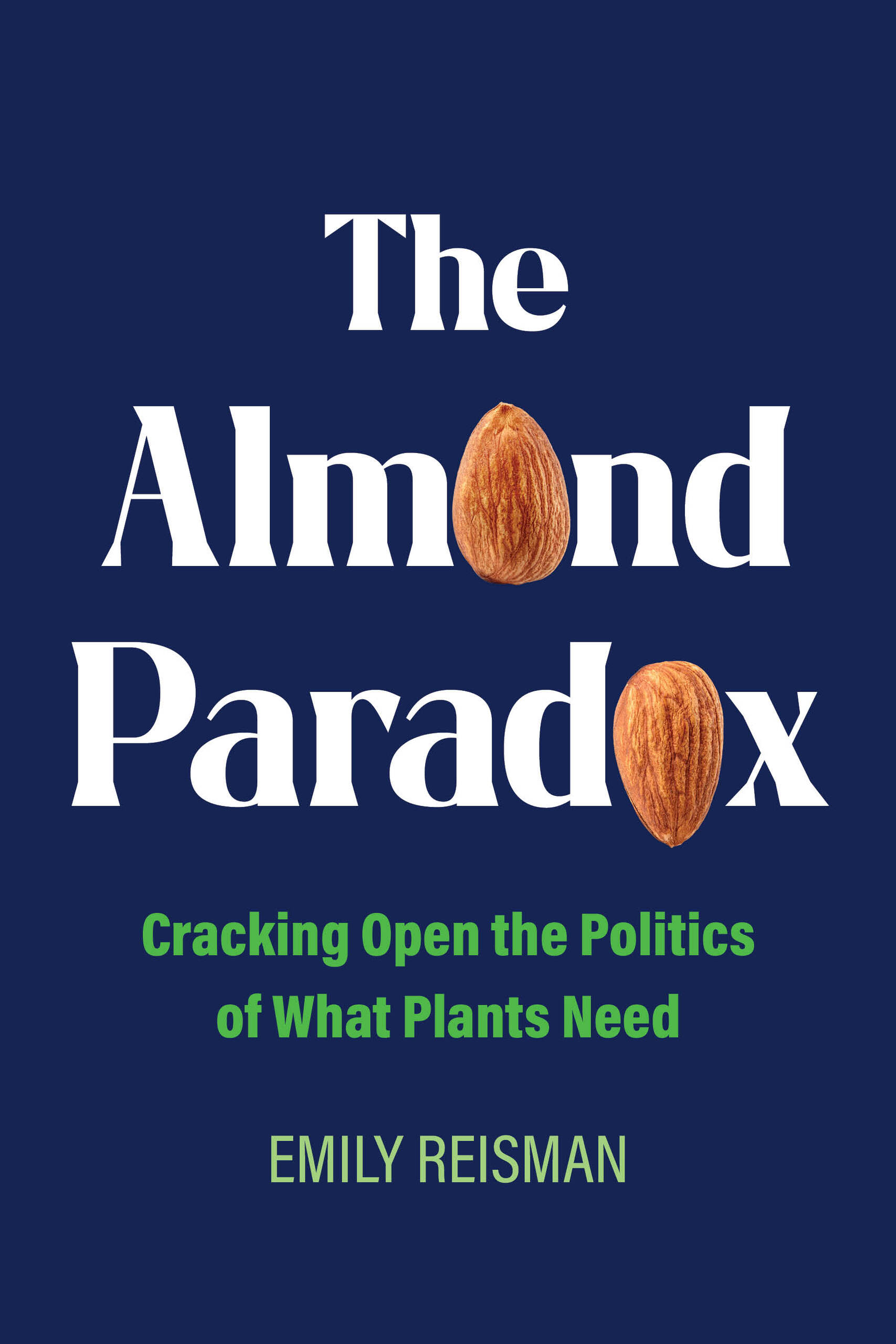
Almonds are a controversial crop in the U.S.; many decry the trees’ thirst in water-stressed California, where most global almond production occurs (Gonzales, 2015; Palmer et al., 2024; Pollan, 2007; Reisman, 2019). But this is only part of the story. Emily Reisman examines how different agricultural, political, place, and environmental contexts shape our understanding of what almond trees “need,” comparing intensive almond production in California with Spain’s traditional rainfed systems in her 2025 book, The Almond Paradox: Cracking Open the Politics of What Plants Need.
Dramatic increases in almond production have also led to steady, higher demand for the product, fueled by marketing investments from the grower association. Almonds are no longer a seasonal holiday food and instead are eaten year-round with many uses. These market demands have shaped almonds as a major agricultural crop in California’s Central Valley, creating new challenges for food and environmental systems. . . .
Metrics
Downloads
Published
How to Cite
License
Copyright (c) 2026 Stacey F. Stearns

This work is licensed under a Creative Commons Attribution 4.0 International License.
The copyright to all content published in JAFSCD belongs to the author(s). It is licensed as CC BY 4.0. This license determines how you may reprint, copy, distribute, or otherwise share JAFSCD content.